Last updated 3/4/2026
Youth Art Studio @LAC
Where Creativity and Connection Flourish…
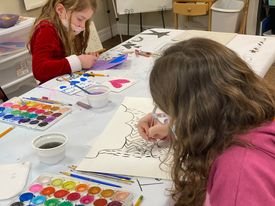
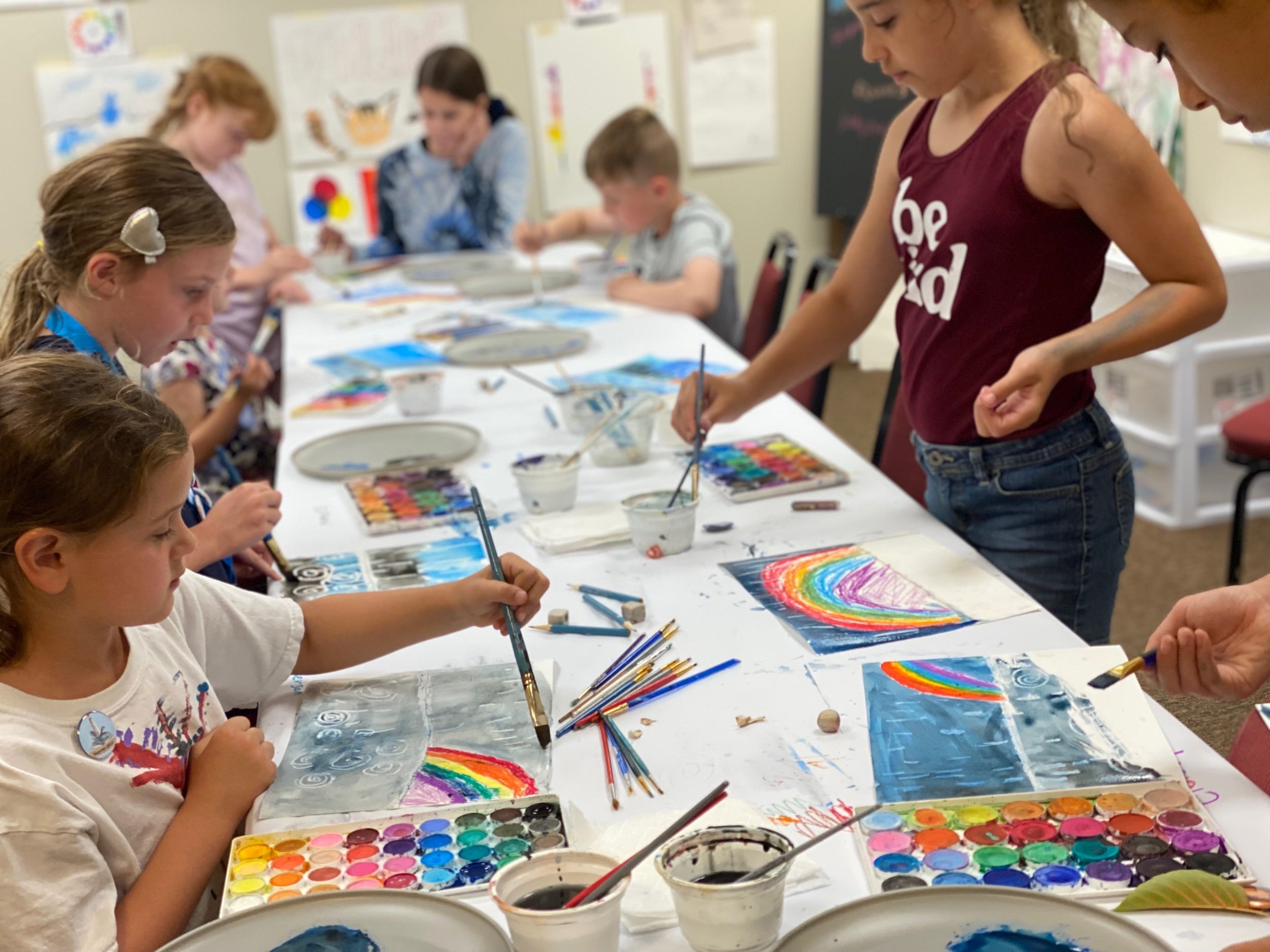
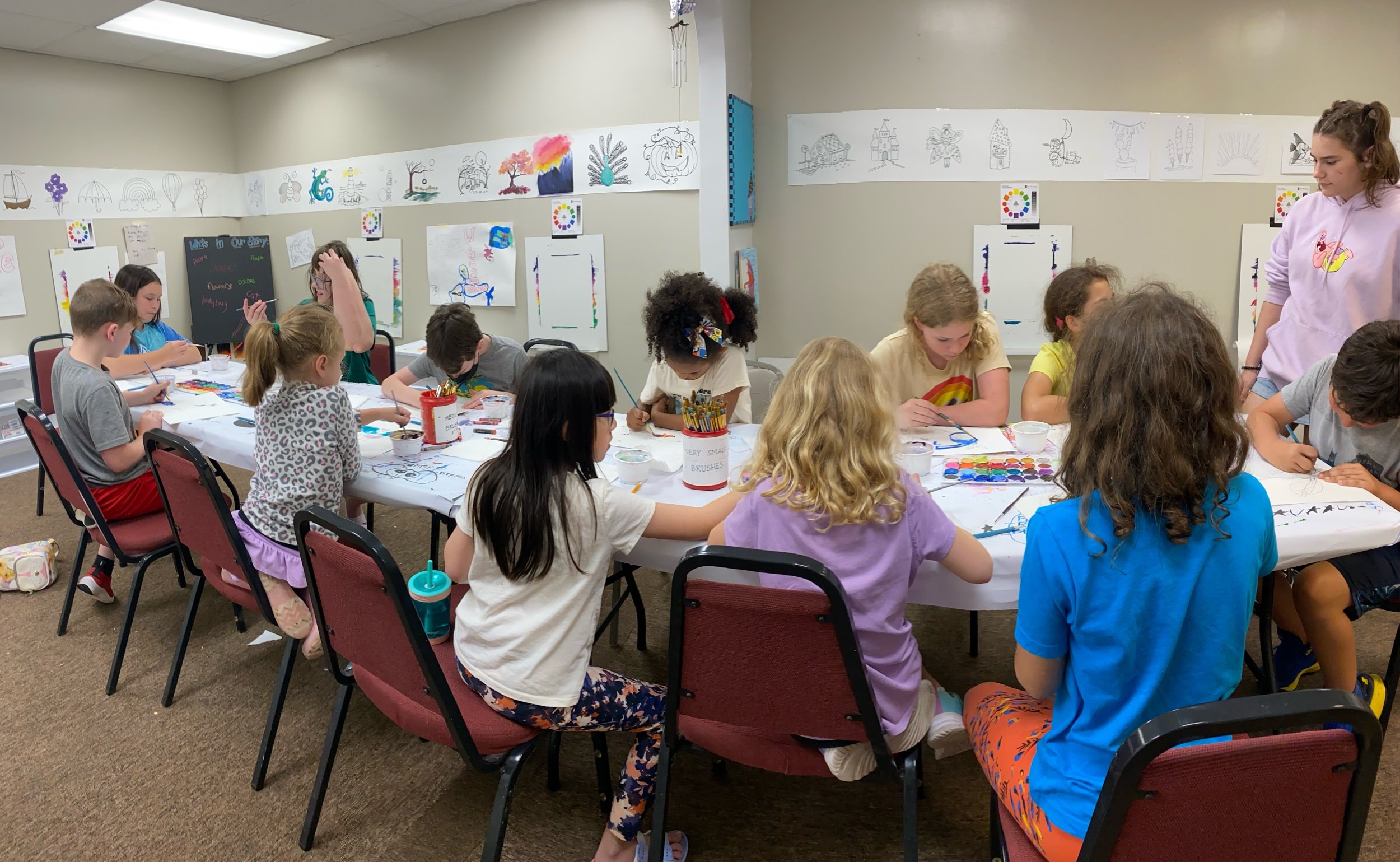
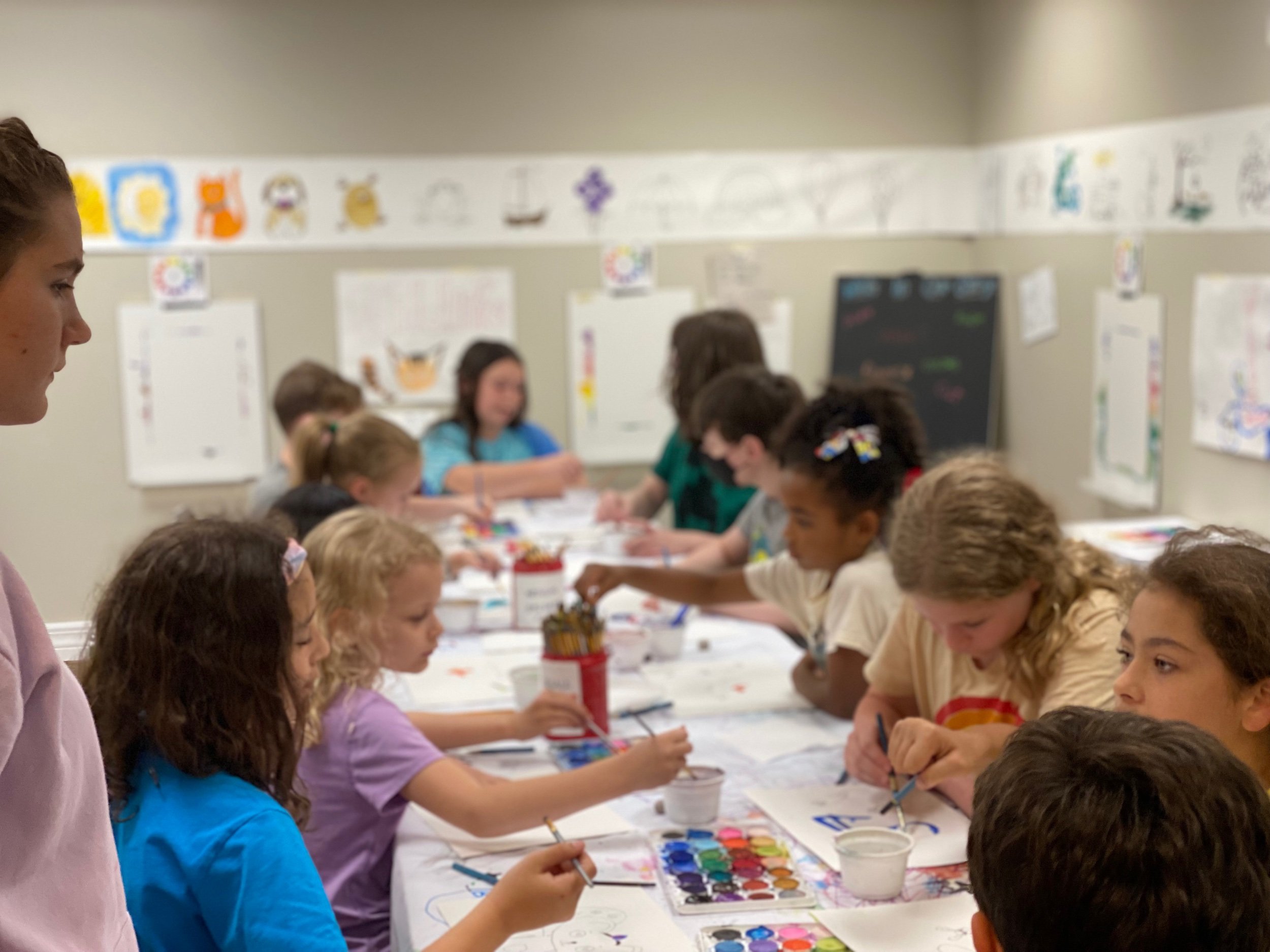
At Liverpool Art Center, our weekly youth class is a vibrant space dedicated to helping students create exciting, meaningful art while fostering emotional well-being. We believe that bringing ideas to life is essential for growth. Students learn to use their own unique ideas as the foundation for both individual projects and collaborative group creations, exploring new methods weekly and seasonal themes monthly. This sanctuary is led by an experienced teacher and mental health professional, ensuring every child—especially those navigating anxiety or emotional regulation challenges—feels supported, seen, and empowered to express themselves and develop their artistic skills.
Art Classes for Youth
When: Tuesdays 4:00 PM – 6:00 PM
Cost: $60/month(ongoing, recurring payments) or $30 Intro package(one time fee)
Ages: 5–11 Years old (Some young artists may need to be assessed)
Registration: Try 2 classes, teacher assessment, then become a member.
Is your child ready for an older class?… Check out the Tween Creative Crew: After-school program with Sandra (ages 8–12 years)
Understanding the Class Structure
Flexible Entry Time
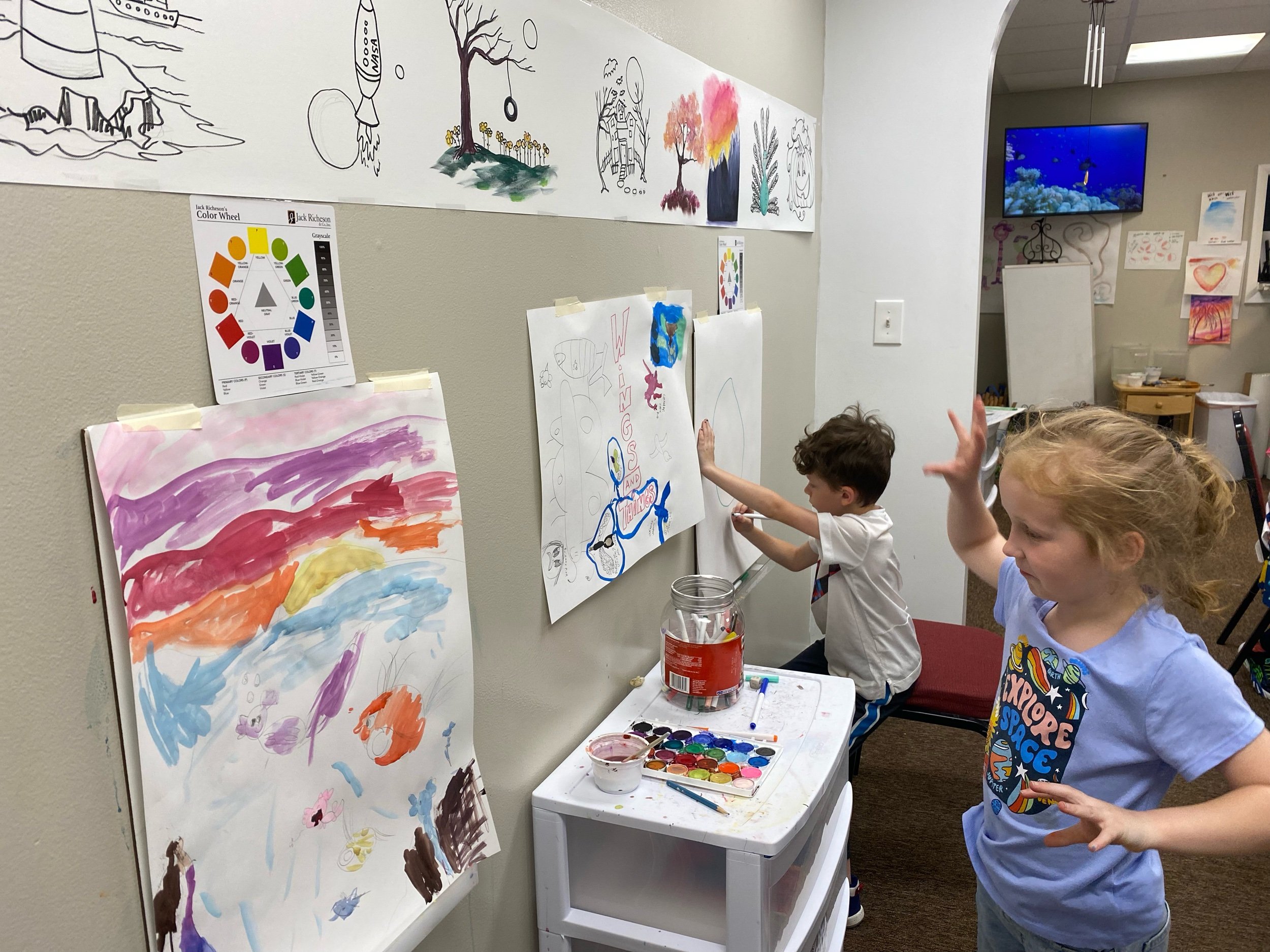
The first 30 minutes (4:00 PM – 4:30 PM) are dedicated to drawing warm-up activities. We are absolutely okay with students arriving anytime during this period to ensure a relaxed and stress-free transition. The main activity for each class begins promptly at 4:30 PM.
Creating Art with Meaning and Skill
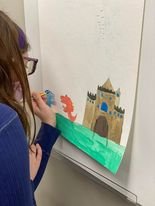
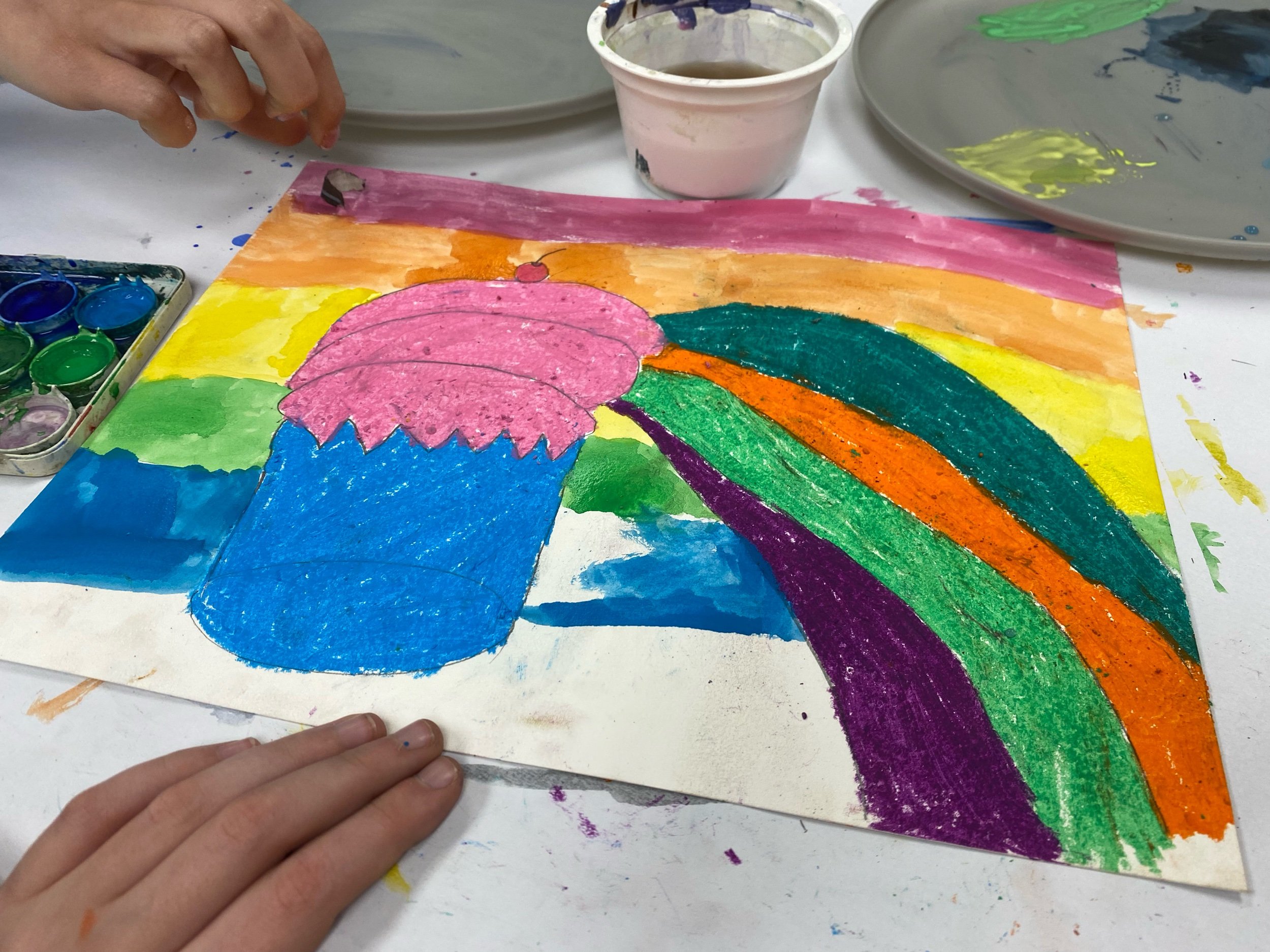
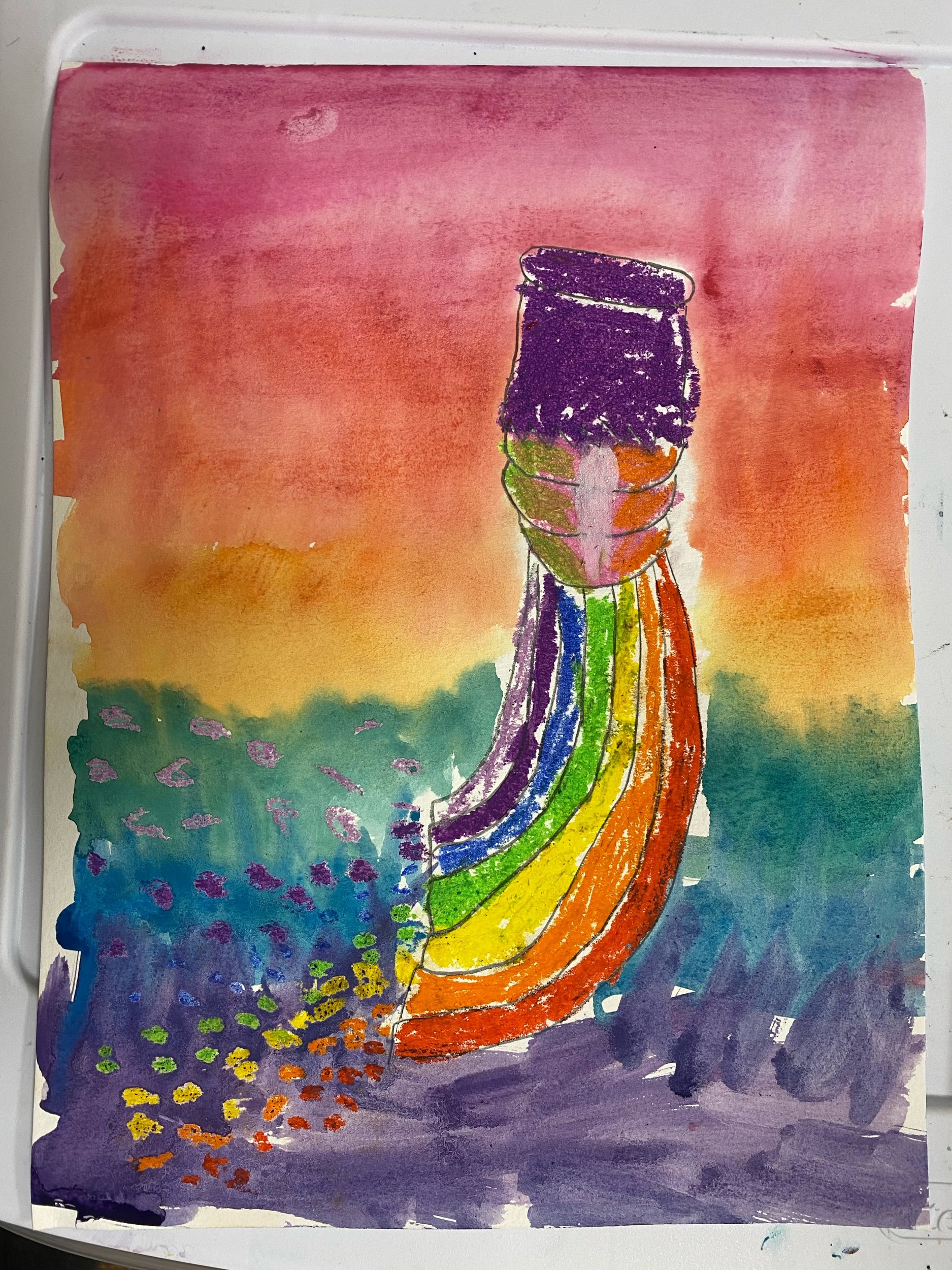
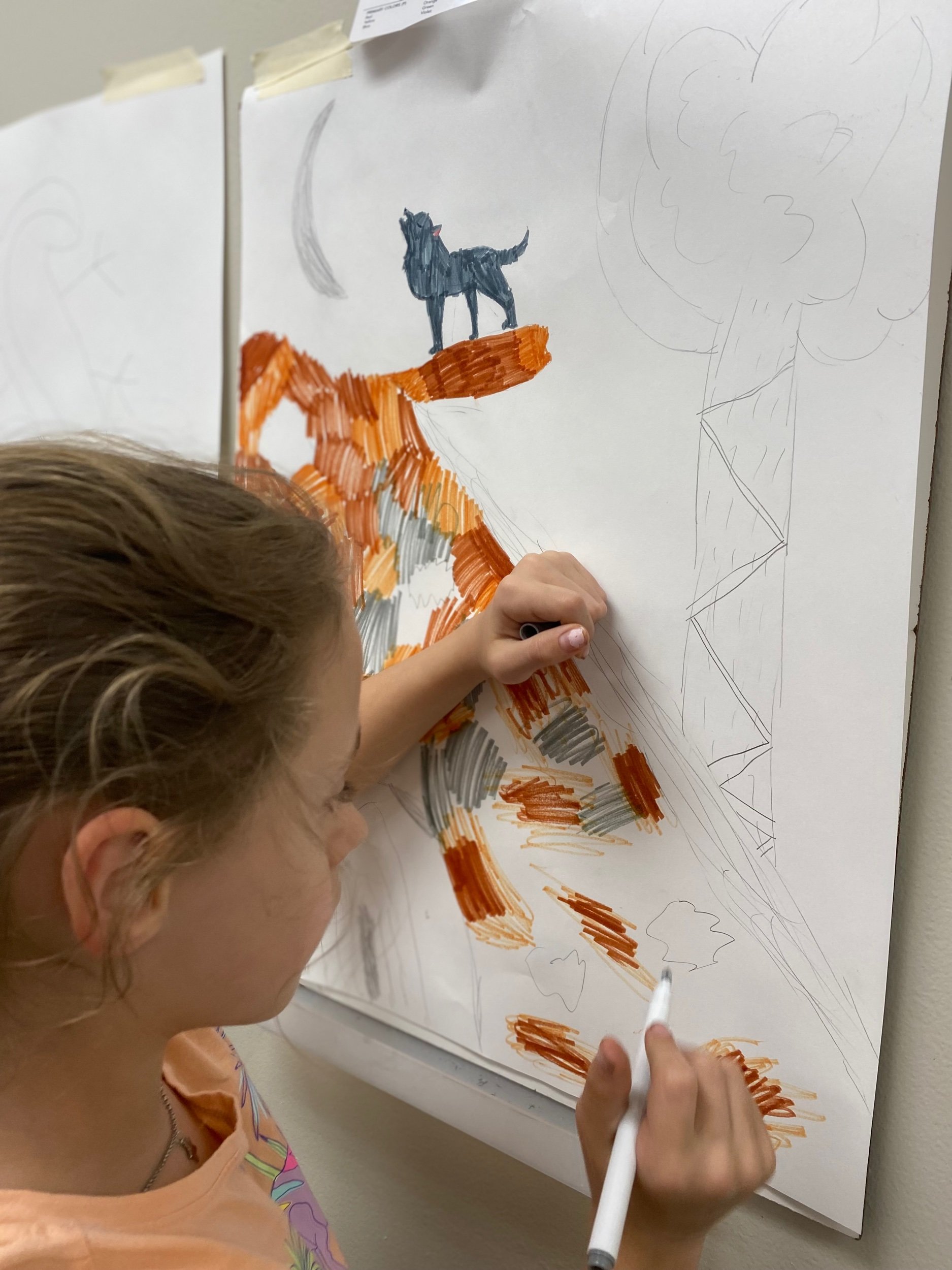
Our approach encourages individualism and innovation. This isn’t the standard “cookie cutter” class where everyone paints the same picture. While we focus on the importance of the process for emotional regulation, students actively produce art by learning and applying new technical methods. We engage the imagination by encouraging young artists to find meaning and story within their art.
Each week, students will:
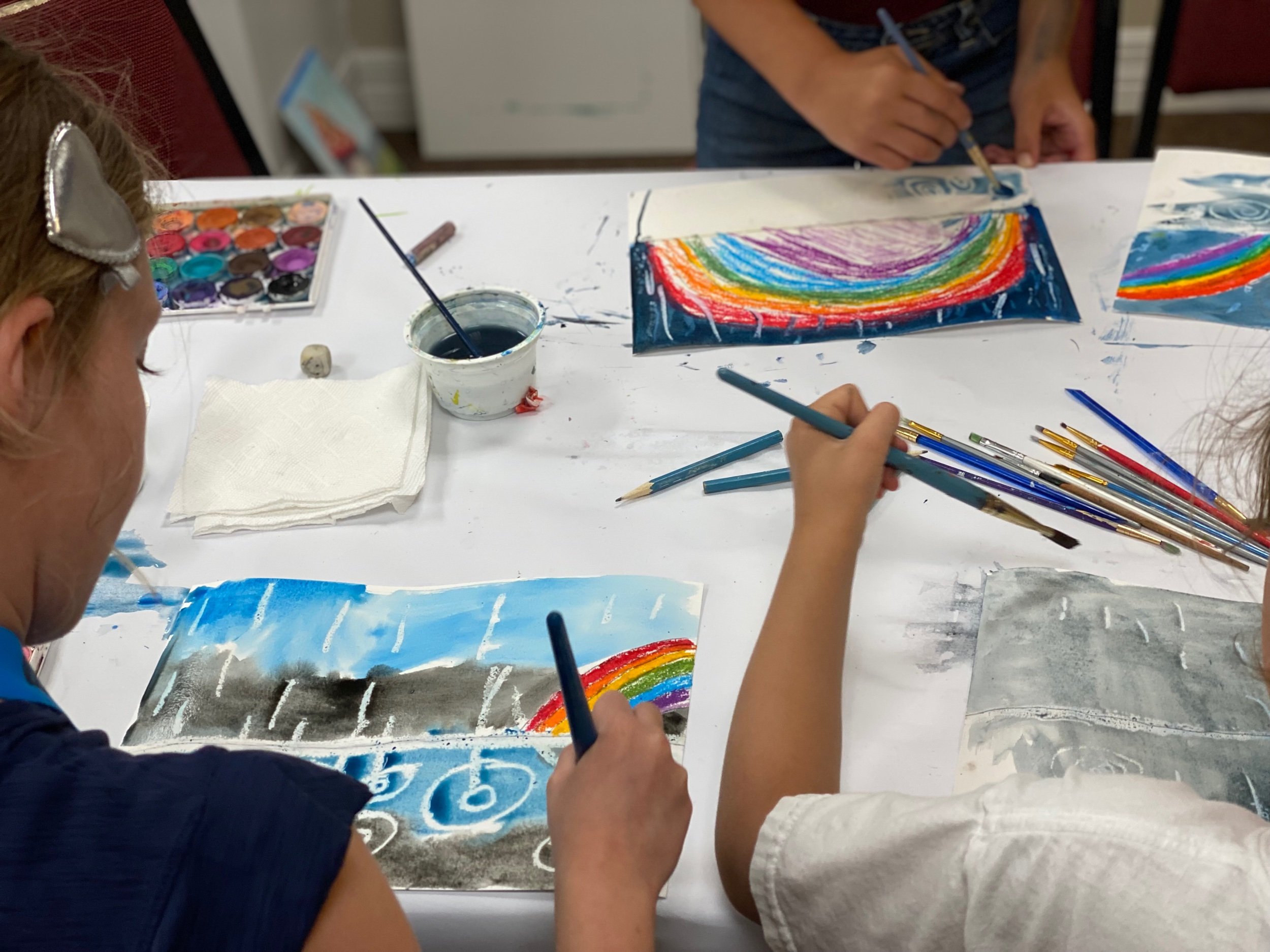
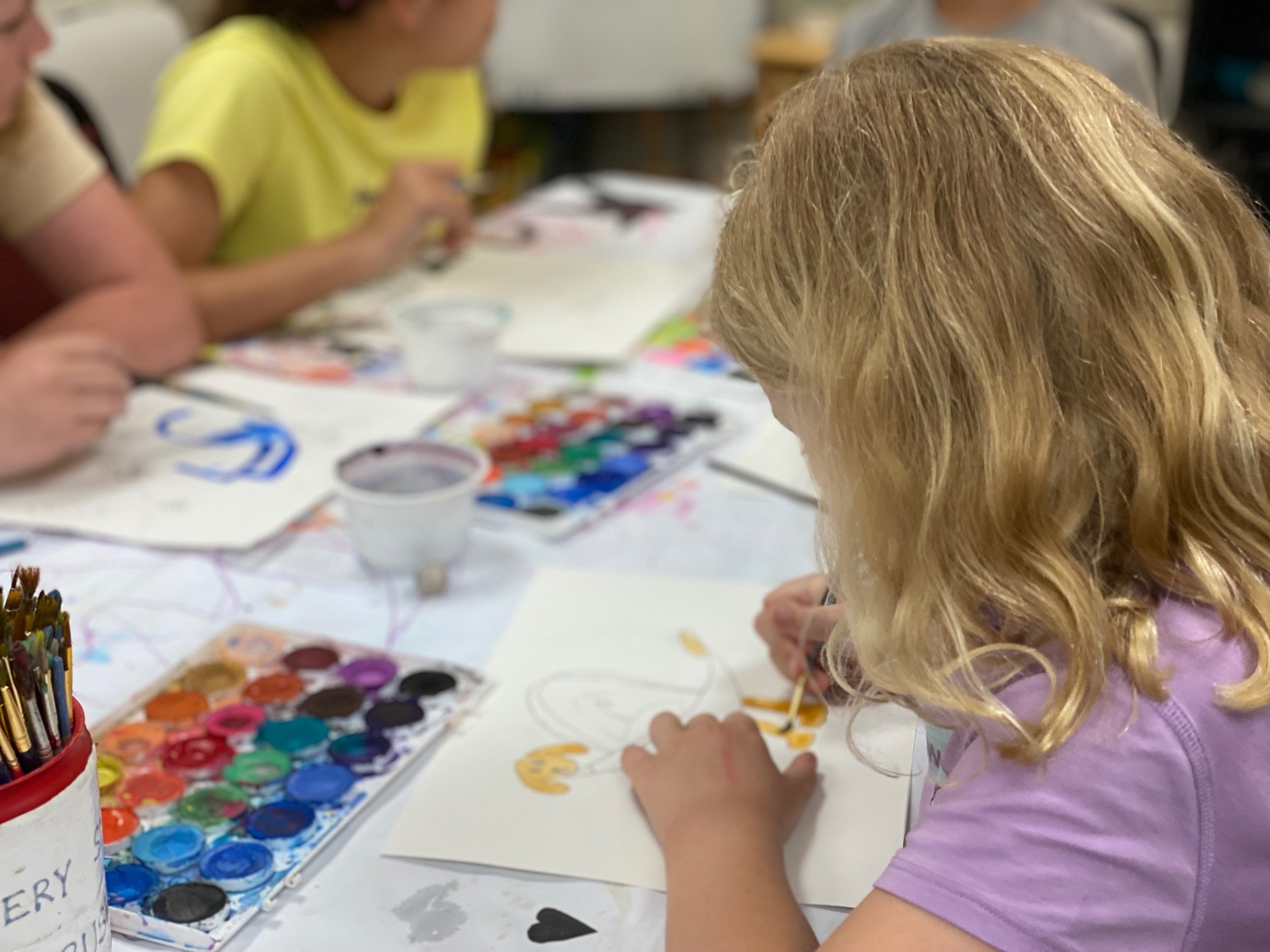
Learn and Apply: Explore new methods and techniques every week with drawing, painting, clay, jewelry, or mixed media. Students can choose their medium (watercolor, acrylic, oil pastel, pen, marker, or pencil).
Develop Fresh Ideas: Cultivate personal meaning and story within the art they create.
Share and Connect: Share their process, story, and ideas with art friends and creative mentors to build communication and social skills.
Focus on Wellness: Learn ways to use art as a method of expressing how they feel, ensuring a balance between skill-building and emotional self-expression.
Led by a Professional, Designed for Growth
The Creative Mentors
This class is led by an experienced teacher who is also a mental health professional with a passion for utilizing art as a wellness tool and a way to deepen connection. The studio offers resources and opportunities for growth and community, fostering a truly supportive environment.
Inclusivity and Support
We are inclusive and well-informed as it pertains to special needs or emotional regulation.
Sensory Space: A part of our classroom/studio is set up as a sensory space so students can take breaks from the lesson or project to readjust, self-regulate, and begin again when they are ready.
Adjustment Policy: For students who are not quite ready for the full class, we offer written goals to work on at home or school. This customized support is designed to promote growth toward successful participation in the future.
Entry Package for New Students
New in 2026: To help new students acclimate successfully, we are restructuring the class intake process.
Entry Package: 2 Classes for $30
Investment: $30 for two classes.
Structure: Two consecutive classes must be taken within a two-week period.
Acclimation: This introductory period allows the student to acclimate to the environment, staff, and class structure.
Parent Support: Parents/Guardians are required to remain in the building (not in the studio) during the class. This ensures parents are close by should a student feel uncertain or need support at any time.
If a student is not ready after the two weeks, parents are welcome to purchase the Intro Package again after a few months to check for progress and renewed interest.
Requirements to Register for Youth Classes
Must be able to work independently for more than 60 minutes.
Must be at least 5–6 years old.
Must be interested in learning new art approaches.
Must have an interest in creativity, painting, drawing, etc.
Must be able to attend without a parent or guardian present inside the studio. Parent/Guardian can remain close by in the building’s atrium; seating is available.
Safety Protocols: Students are required to remain seated while creating and follow safety protocols such as: hands to ourselves, listen to the teacher, and remain in the studio unless accompanied by an adult or staff.
Please read our policy page before registering
The Benefits of Art Classes During Early Childhood
“….Art is a natural activity to support this free play in children. The freedom to manipulate different materials in an organic and unstructured way allows for exploration and experimentation. These artistic endeavors and self-directed explorations are not only fun but educational as well. Art allows youth to practice a wide range of skills that are useful not only for life, but also for learning.”
— Kylie Rymanowicz, Michigan State University Extension - January 22, 2015. READ MORE
Want to support your child’s artistic journey? Find tips on conversation, encouraging independence, and focusing on the process, not the product, above.


Please read our policy page before registering
〰️
Please read our policy page before registering 〰️
The benefits of art classes during early childhood…
“….Art is a natural activity to support this free play in children. The freedom to manipulate different materials in an organic and unstructured way allows for exploration and experimentation. These artistic endeavors and self-directed explorations are not only fun, but educational as well. Art allows youth to practice a wide range of skills that are useful not only for life, but also for learning.” Kylie Rymanowicz, Michigan State University Extension - January 22, 2015. READ MORE


Want to support your child’s artistic journey? Here are a few tips from Michigan State University Extension:
Talk with your child about their work. It’s often hard to decipher a child’s drawings, even though the child knows exactly what it is. When we ask, “What is it?” we are saying that it should look like something we’d recognize. Instead, ask open-ended questions like “Tell me about your picture.” You can also describe specific things your child is doing by saying things such as, “You’re making short lines, I see you are using red, green and blue.” You can also describe the actions your child is taking or the materials they are using by saying things such as, “You are using a soft paintbrush, I noticed you are making small circles, you are using two crayons at the same time!”
Imitate your child. Instead of drawing your own picture, sit down with your child and imitate their actions. Make big scribbles, small lines or practice drawing circles. If your child is focused on what you are drawing or how “good” your picture is, they are less likely to be imaginative and creative on their own.
Provide choices. Gather a wide range of materials for your child to use like paint, colored pencils, chalk, play dough, markers, crayons, oil pastels, scissors and stamps. Mix it up by bringing in unexpected materials like Q-tips, dinosaurs, dry pasta or beans.
Support, don’t lead. Have you ever noticed that activities become much less fun when they are dictated by someone else? The same goes for kids—let them decide what materials they want to use and how and when to use them. Maybe they want to peel the paper off a crayon and use it lengthwise on the paper, instead of writing with the tip.
Keep it open-ended. Instead of sitting down with a specific plan or outcome in mind, let your child explore, experiment and use their imaginations. They might make a big mess or change their mind several times—this is all part of the creative process.
Focus on the process, not the product. Encouraging your child in the action of unstructured art helps them work with intrinsic motivation. It teaches them to express themselves freely, without worrying about what others think. If a lot of attention is given to the final product or we spend a lot of energy praising the end result, a child may be more likely to do things to get your approval instead of doing what they want to do. Part of focusing on the process involves encouraging effort; exploration and effort are more important than the end product. Notice their hard work!
Let it go. As long as a child is safe (i.e., not running with scissors), let them explore. They may spend the majority of the time sharpening colored pencils instead of actually drawing with them. Children learn through playing, exploring and trial and error. When we give them freedom to discover, they are learning to create and experiment in new and innovative ways.
Get your child creating and learning—all you’ll need is a paintbrush and an open mind.
Explore more about the benefits of making art on our EVIDENCE BASED PAGE